From Independence to Interdependence: The Waypoint Journey
As we guide our children through their years at Waypoint Montessori, we are doing more than teaching academics; we are supporting a profound journey toward independence. In Montessori circles, we talk about independence constantly. But here is the beautiful secret: independence isn’t actually the end goal.
Our Children’s Journey
Dr. Maria Montessori observed four distinct planes of development, each representing a stage in the human journey toward maturity and, ultimately, interdependence. At Waypoint, our environments evolve to meet these shifting needs.
A core element of our school is the prepared environment. Whether in a Toddler, Primary, or Elementary classroom, these are spaces designed to give children the freedom to move, make choices, and act with purpose. We believe children become who they are through movement and choice. Independence, then, isn't just about "doing it alone"—it’s about the child's ability to "become themselves" so they can eventually offer their unique gifts to the community.
The First Plane (Birth to Age 6): The Formation of the Individual
Programs: Toddler and Primary
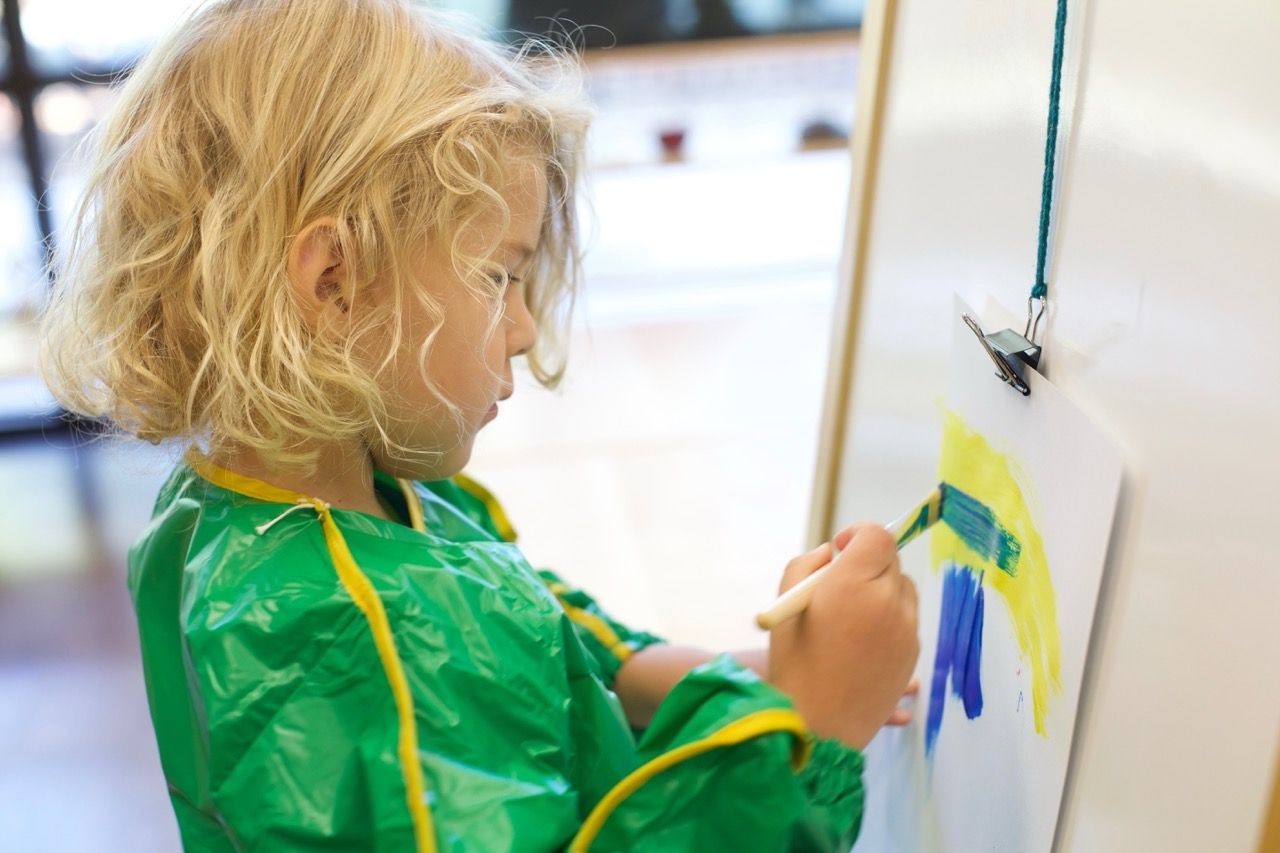
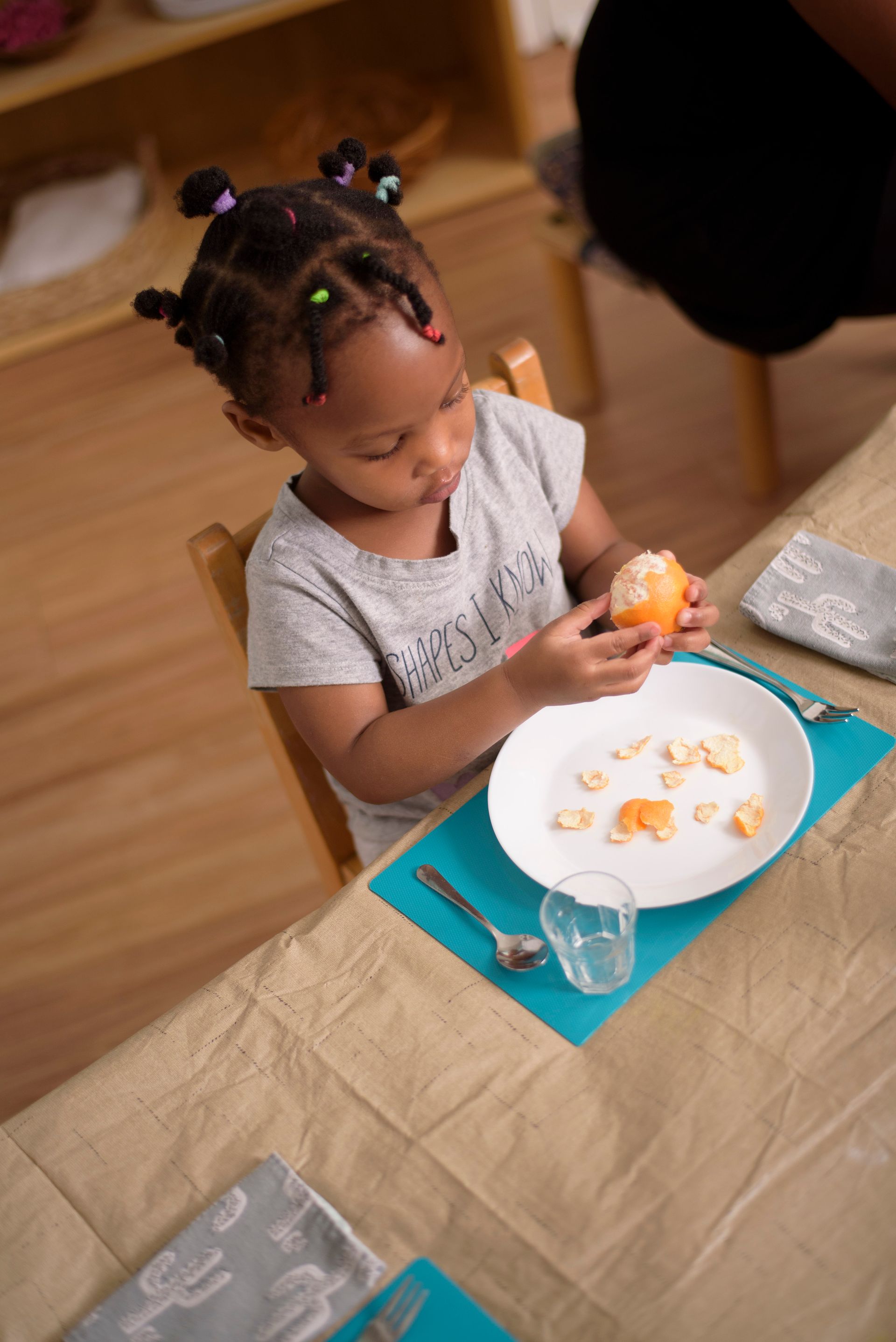
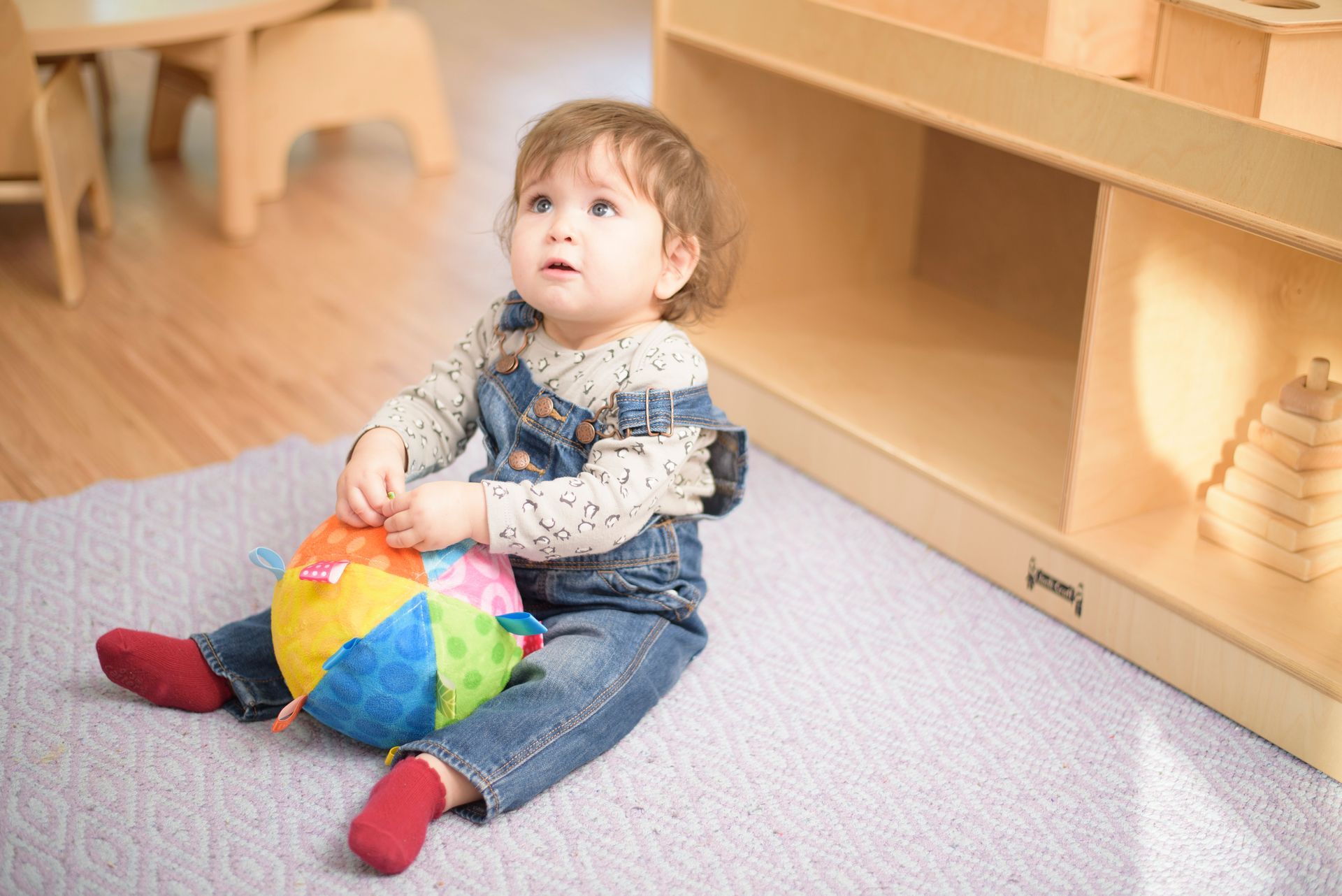
From the moment a child enters our Toddler program, they begin the work of self-construction. This stage is focused on gaining functional independence. By the time a child completes their third year in the Primary classroom, they can walk, talk, and care for their physical needs. They are no longer dependent on adults for every basic task.
Dr. Montessori referred to this period as the “social embryo.” In our classrooms, we see this when a child:
- Takes initiative to sweep up a spill without being asked.
- Carefully pours water into a vase to arrange flowers for a friend’s table.
- Patiently helps a younger peer zip up a jacket before going outside.
Caring for oneself and for others at this young age lays the foundational soil for a life of contribution.
The Second Plane (Ages 6–12): Intellectual and Moral Independence
Program: Elementary
In our Elementary program, the focus shifts from the physical to the intellectual. The "Help me do it myself" of the younger child becomes "Help me think for myself."
Socially, this is a period of intense peer interaction. Our Elementary students work collaboratively on "Great Lessons" and research projects. They are in a "practice society," sorting out questions of fairness, justice, and ethics.
We see the seeds of interdependence here when:
- A student notices a peer struggling with a complex math problem and offers a quiet tip.
- A group mediates a conflict on the playground using logic and empathy to ensure everyone feels heard.
- Students organize "Going Out" expeditions, relying on one another to navigate the logistics of a trip beyond the campus gates.
The Third Plane (Ages 12–18): Social and Economic Independence
As students move into adolescence, they seek to understand their role in the greater world. They require "real work" that has an economic and social impact. While the journey through the first two planes at Waypoint prepares them with the academic and social stamina needed for this stage, it is here that all previous experiences of independence converge. They begin to see that their skills are most valuable when used in the service of others.
Why This Matters for Waypoint Families
Ultimately, a Waypoint education supports three interconnected outcomes: maturity, independence, and interdependence.
Maturity is the holistic development of a person capable of making a meaningful contribution to the world. Independence is the engine that gets them there. But the destination is interdependence—the collaborative, connected state of human life where we realize we need one another.
So, when your toddler insists on putting on their shoes (even when you're in a hurry), or when your Elementary student wants to debate the rules of a game for an hour, take a deep breath. Remember that these are not just challenging moments; they are signs that your child is on the right path.
Independence is the means; a life of meaningful work and mutual respect is the goal.
We invite you to
visit our campus in Colleyville, Texas, to see this journey in action. From the quiet focus of the Toddler room to the bustling collaboration of the Elementary building, independence is building a stronger community every day.
You might also like