The Magic of the Three-Year Cycle: Inside the Primary Classroom at Waypoint Montessori
If you walk into a Waypoint Montessori Primary classroom during the morning work cycle, you might be surprised by the atmosphere. You won’t find a teacher standing at a whiteboard lecturing a seated group of children. Instead, you will see a beautifully ordered, humming hive of independent activity.
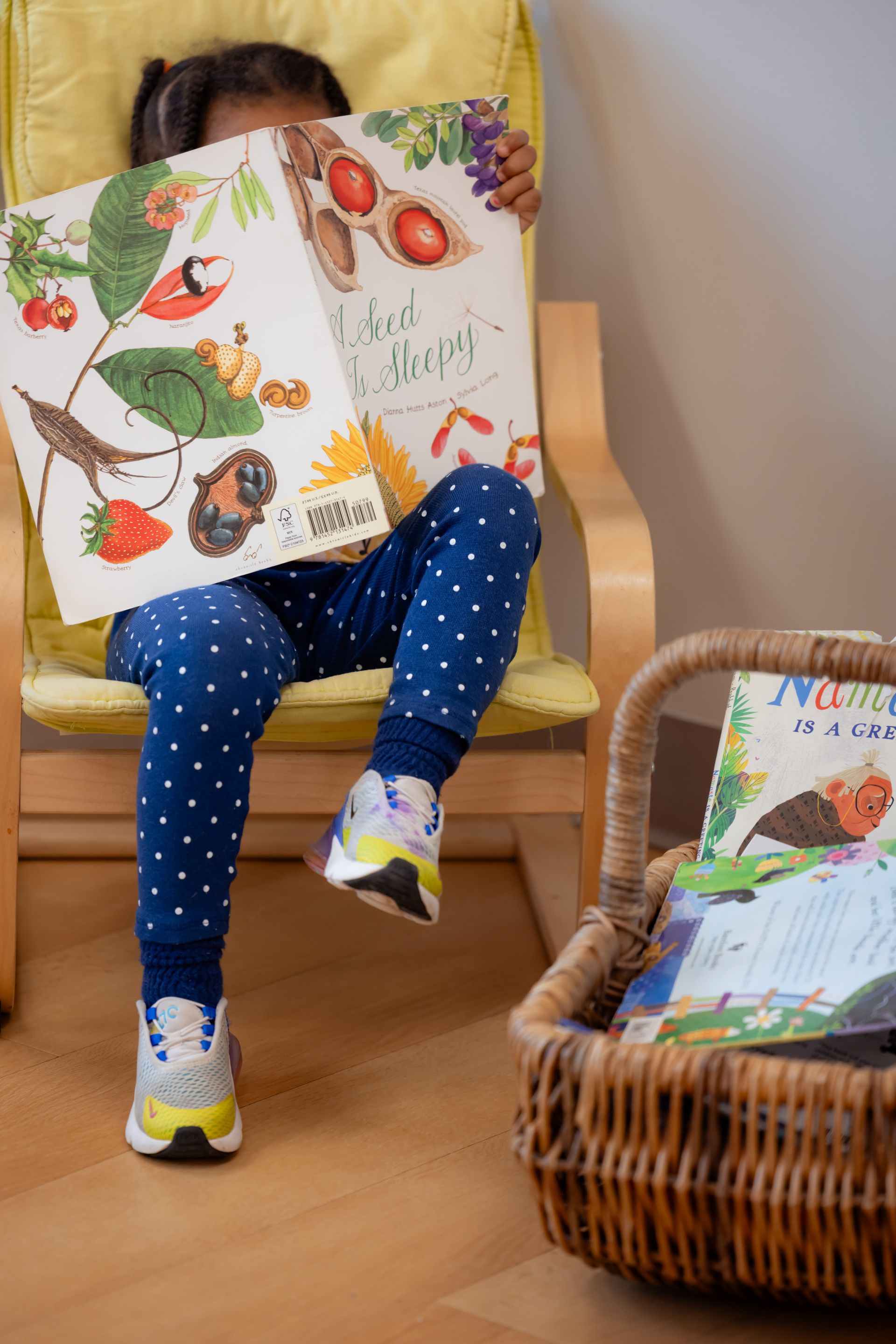
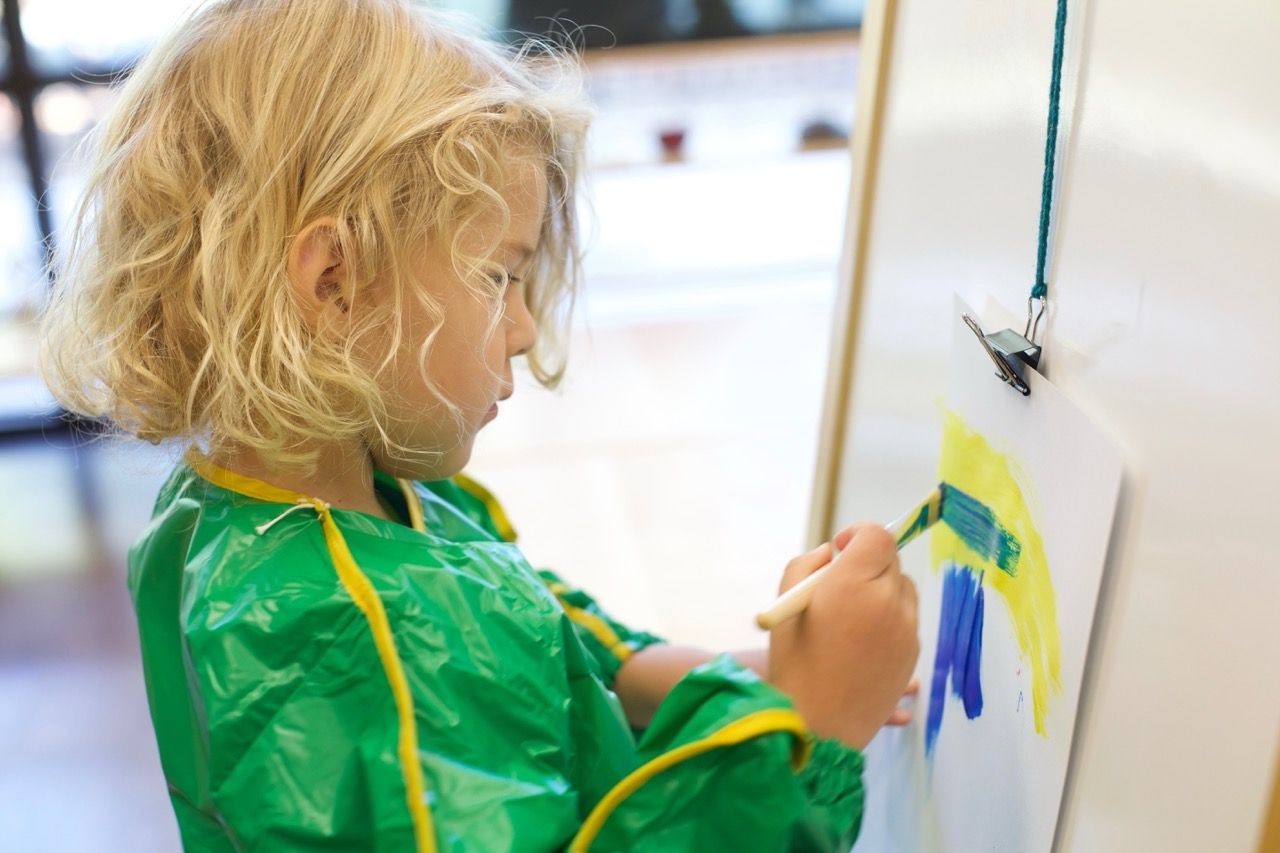
In one corner, a three-year-old carefully carries a pitcher of water, focusing intently on not spilling a drop. Nearby, a four-year-old sits on a small floor rug, arranging wooden tiles to count into the hundreds. Across the room, a six-year-old is using tiny beads to divide large numbers.
This is our Primary Program—a mixed-age environment for children ages 3 to 6 years old. As one of only three AMI (Association Montessori Internationale) recognized schools in Tarrant County, our program is designed to protect and cultivate a child’s natural psychological, social, and intellectual growth.
Here is a closer look at the key elements that make the Primary experience at Waypoint so transformative.
1. The Power of the Mixed-Age Community
Our Primary classrooms bring together children across a three-year age span (ages 3 to 6). This mixed-age design is not accidental; it is a vital pillar of social development.
In this environment, our youngest children watch the older students work with complex math or language materials, which naturally sparks their curiosity and inspires them to learn. Meanwhile, our oldest children—those in their third or "kindergarten" year—naturally step into leadership roles. By helping a younger peer zip a coat or guiding them through a familiar activity, our older students solidify their own learning and build a deep, authentic sense of empathy, responsibility, and self-confidence.
2. A Prepared Environment with Internal Purpose
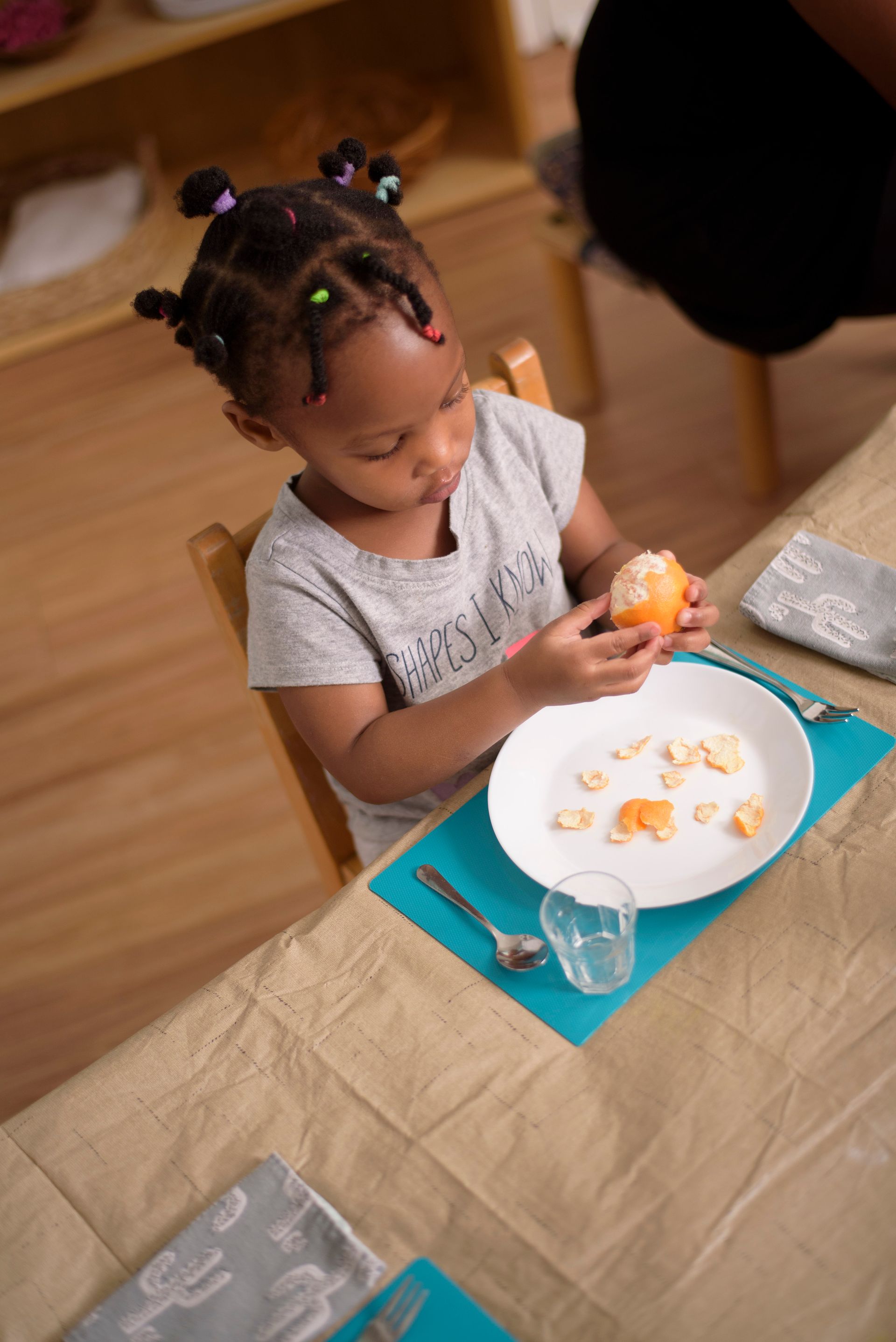
Every piece of furniture, shelf, and material in our eleven-building Colleyville campus is curated with the child's physical and psychological proportions in mind. Each Primary classroom functions as its own independent unit, complete with accessible facilities and a fully functional kitchen where children can slice fruit, wash dishes, and prepare their own snacks.
The materials on our shelves are beautiful, tactile, and sequential. They are designed to isolate concepts so a child can learn through their hands. Because these materials feature a built-in "control of error," children can see for themselves if a piece doesn't fit or if a calculation is off. This allows them to problem-solve independently without relying on an adult’s praise or correction.
3. The Four Core Areas of Learning
The Primary curriculum is interconnected and unfolds naturally across four main pillars:
- Practical Life: Activities like sweeping, polishing, buttoning, and flower-arranging build fine and gross motor coordination, spatial awareness, and a long attention span. These real-world tasks teach the child how to care for themselves and their community.
- Sensorial: Children learn to order and classify their world by exploring dimensions, colors, textures, sounds, and shapes. These materials lay the concrete foundation for abstract thinking in geometry and mathematics.
- Language: From phonetic sounds explored via sandpaper letters to sentence structure using the moveable alphabet, our language curriculum allows writing and reading to emerge naturally and joyfully.
- Mathematics: Montessori math takes abstract mathematical concepts and makes them completely physical. By holding the "Golden Beads," a four-year-old can physically feel the difference between a unit, a ten, a hundred, and a thousand long before they ever write the numbers on paper.
4. Extending Education into Nature
At Waypoint, learning isn't confined to four walls. Our nine-acre wooded campus acts as an open-air extension of our classrooms. Primary students regularly step outside to work in our classroom gardens, explore our playgrounds, and interact with the natural world. Whether they are collecting oak leaves to classify them by shape or observing insects, our outdoor spaces nurture a deep sense of environmental stewardship and peace.
The Capstone: The Third Year
The magic of the Primary program truly crystallizes during a child's third year. This capstone year is when all the concrete experiences of practical life, sensorial exploration, and early academic exposure connect. It is the year where reading fluently, understanding mathematical operations, and demonstrating social leadership take flight. Keeping a child in our Primary community for the full three-year cycle ensures they internalize these concepts, setting them up for an effortless transition into our Elementary program.
The best way to understand the quiet focus and joy of a Waypoint Primary classroom is to see it with your own eyes. We invite you to
schedule an observation on our beautiful Colleyville campus to watch our AMI-trained Guides and amazing students in action.
You might also like