The Art of Observation: The Unique Role of the Montessori Guide
What, exactly, is the role of the teacher in a Montessori classroom? How does it differ so fundamentally from traditional education? To understand what makes our educators unique, it is easiest to begin by explaining what a Waypoint Montessori teacher isn’t.
A Montessori teacher is less like a traditional lecturer or instructor, and more like a gentle facilitator. They do not consider it their job to pour information into a child's mind. Instead, they lead children toward discovery, giving them the tools, parameters, and confidence they need to find answers for themselves.
Dr. Maria Montessori perfectly captured this dynamic when she wrote: “The greatest sign of success for a teacher...is to be able to say, ‘The children are now working as if I did not exist.’”
At Waypoint, we lean into this philosophy completely, which is why we refer to our classroom teachers by their authentic title: Guides.
Cultivating Deep Independence
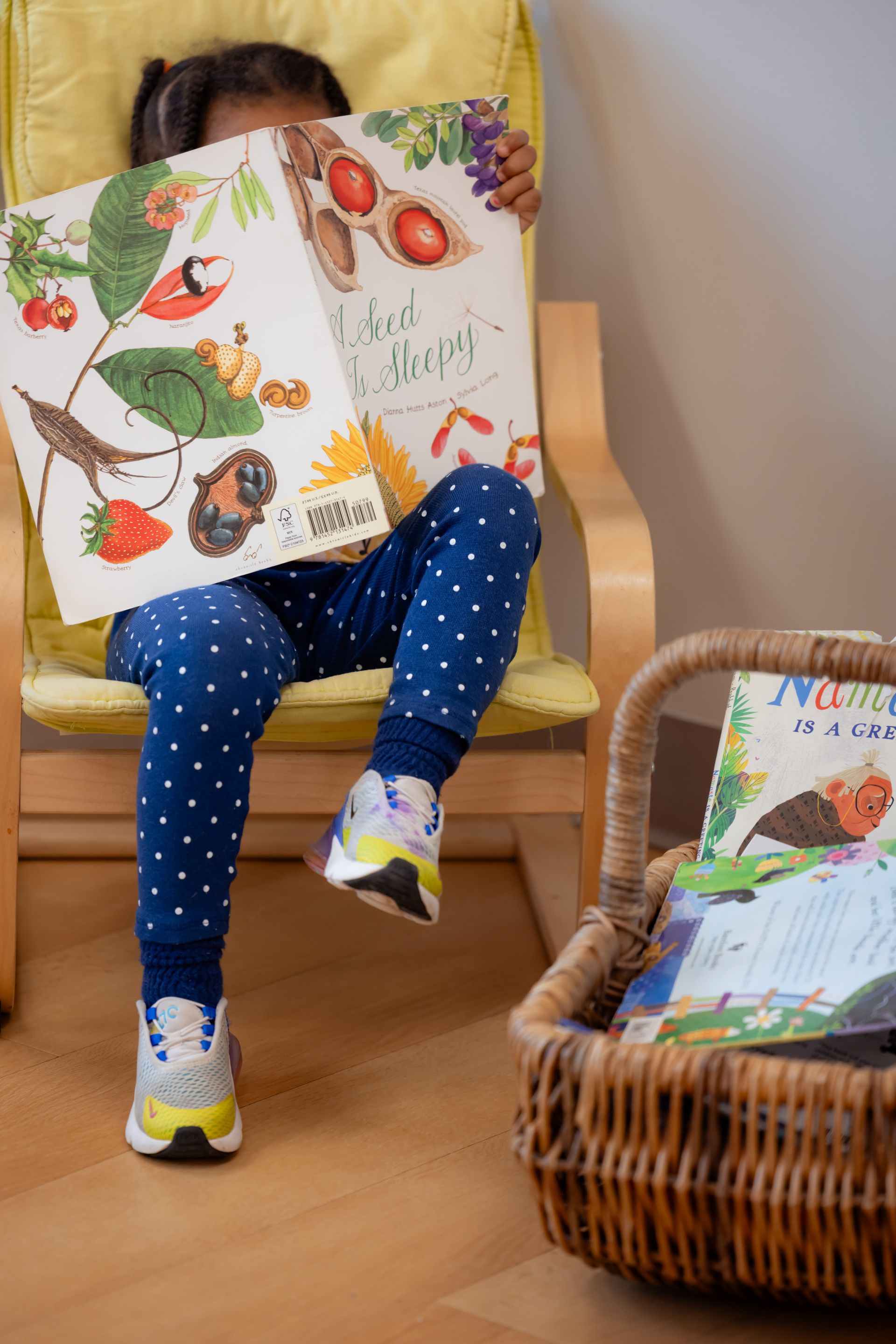
If you observe a morning work cycle on our campus, you won’t see a teacher standing at the front of the room delivering a uniform lesson to seated rows of children. Instead, you will see our Guides working quietly on the floor or at low tables with individual children or small, targeted groups.
While a Guide is giving a specialized lesson (called a presentation), the rest of the children are moving freely throughout the room, choosing work that speaks to their inner development. Waypoint Guides work tirelessly to establish the routines, expectations, and structures that allow children to become entirely self-reliant and trust themselves as learners.
A massive part of a Guide’s daily responsibility is the meticulous preparation of the environment. Whether in our Toddler, Primary, or Elementary communities, our school is designed to meet the changing developmental needs of the students. Our Guides constantly adjust the shelves, materials, and layout in subtle ways based on what they observe in the children each day.
Trained to Think Like Scientists
Waypoint Montessori takes great pride in the exceptional caliber of our faculty. As an AMI (Association Montessori Internationale) Recognized school, our Lead Guides have completed rigorous, intensive training held to the highest international standards.
Montessori certification programs are demanding and highly specialized—frequently compared to the workload of an additional university degree. This training doesn't just teach our educators how to present mathematical or language materials; it includes deep psychological studies in child development, philosophy, and the integration of cosmic education, art, and storytelling.
When it comes to assessing a student's progress, our Guides do not rely on high-stakes testing or standardized worksheets. Instead, they rely on the scientific power of observation. Waypoint Guides keep detailed, daily observation notebooks brimming with qualitative evidence of what their students have mastered, where they need additional support, and what sparks their curiosity. They sit beside the child as a researcher might, mapping out personalized next steps tailored entirely to that individual student.
The Gift of the Three-Year Cycle
Because Montessori classrooms are organized into three-year developmental cycles, our Guides have the unique luxury of thinking long-term. A Guide stays with the same cohort of children for three full years.
This multi-year relationship eliminates the "getting to know you" phase at the start of each school year. It allows the Guide to understand the child's learning style inside and out, build a deep partnership with the family, and give the child the psychological space to learn genuinely at their own natural pace without pressure.
Navigating Freedom Within Limits
While children at Waypoint enjoy an abundance of choice in their daily pursuits, our community is built on the core principle of freedom within limits. It is the Guide’s job to carefully construct and maintain those limits.
Children crave order and predictability; structure gives them the security they need to take intellectual risks and try difficult things. Our Guides set firm, loving boundaries and then serve as a steady anchor as students navigate within them.
For example, if an Elementary student loves creative writing but avoids abstract math materials, the Guide does not force compliance through punishment. Instead, they use their deep knowledge of the child to bridge the gap. They might have a collaborative discussion with the student about goal-setting, or find a way to weave creative storytelling into a geometry lesson. Waypoint Guides provide freedom, but they intimately scaffold each child's path to ensure well-rounded success.
At Waypoint Montessori, our faculty values independence, self-reliance, and intrinsic motivation. Just as deeply, they value cooperation, kindness, and strength in community.
The relationship between a Montessori Guide and a child is something that must be seen to be truly understood. We invite you to step onto our beautiful nine-acre Colleyville campus, pull up a chair, and observe the quiet magic of our classrooms firsthand. Schedule a tour today!
You might also like