Understanding the Absorbent Mind: How the Young Child Builds Themselves at Waypoint Montessori
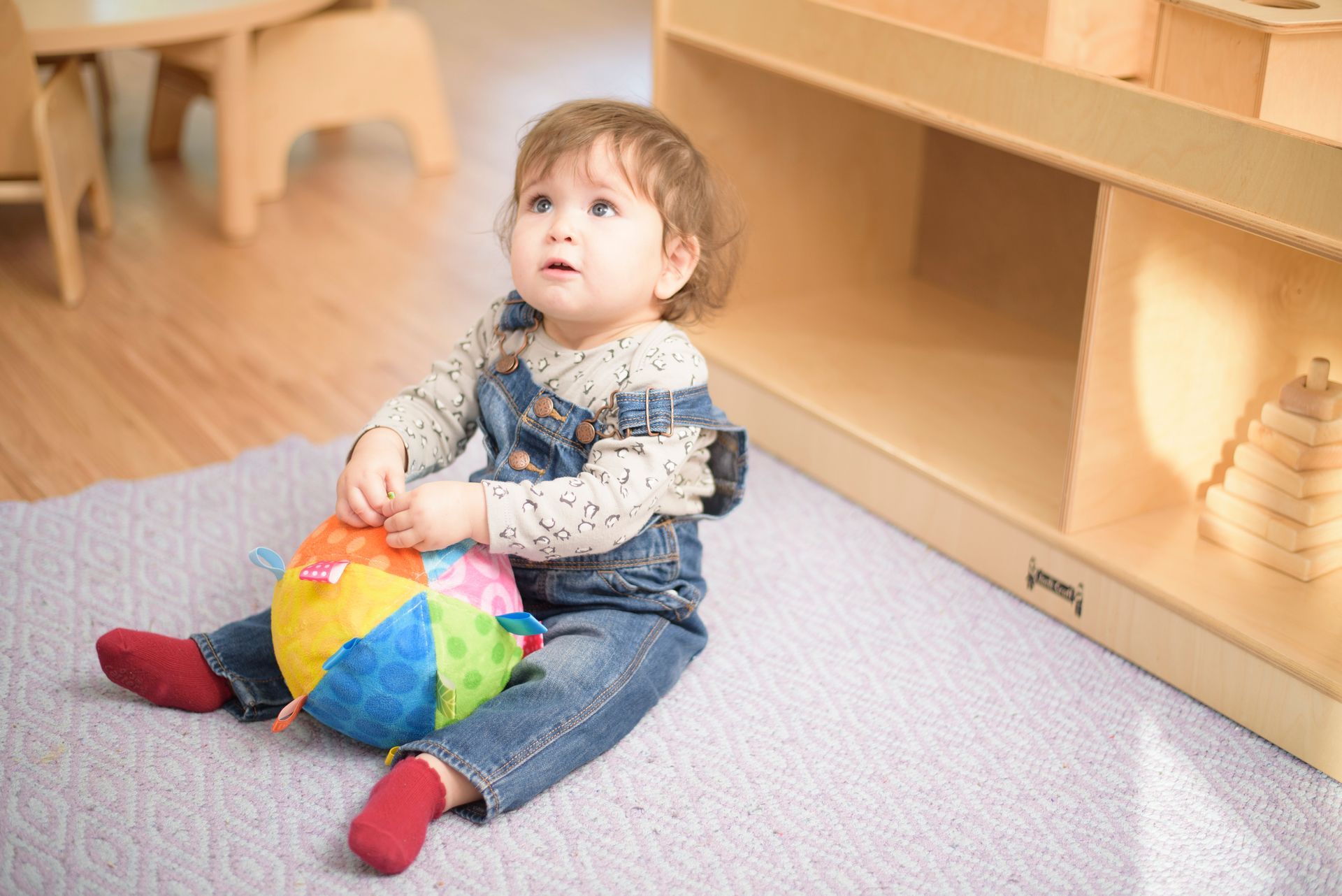
Unlike other species born with a predetermined set of behavioral instincts, human babies are born with a vast set of latent potentials. When a child is born, we cannot know if they will become a master musician, a creative chef, a scientist, or an artisan. It is truly remarkable to realize that young children are quite literally creating the physical, intellectual, and psychological skills they need to become contributing adults.
Dr. Maria Montessori observed children through a scientific lens. Over time, she concluded that this profound creative work could only happen because the young child's mind operates in a fundamentally different way from the conscious adult mind. In her seminal work, The Absorbent Mind, Dr. Montessori observed:
"The child has other powers than ours, and the creation he achieves is no small one; it is everything. Not only does he create his language, but he shapes the organs that enable him to frame the words. He has to make the physical basis of every moment, all the elements of our intellect, everything the human being is blessed with. This wonderful work is not the product of conscious intention."
Well before modern neuroimaging and brain scans existed, Dr. Montessori mapped out how young children learn effortlessly from their surroundings. She termed this unique, foundational phase of mental development the absorbent mind.
What Does "Absorbent" Truly Mean?
The words Dr. Montessori selected to describe this mental process were chosen with deliberate care. To "absorb" implies taking something in completely and integrating it into the whole. What is absorbed actually becomes a structural part of what is doing the absorbing.
Children do not merely memorize what they see; they take in their daily experiences and sensory impressions, which then form the actual architecture of their brains. Dr. Montessori explained it this way:
"Impressions do not merely enter his mind; they form it. They incarnate themselves in him. The child creates his own 'mental muscles,' using for this what he finds in the world about him. We have named this type of mentality, The Absorbent Mind."
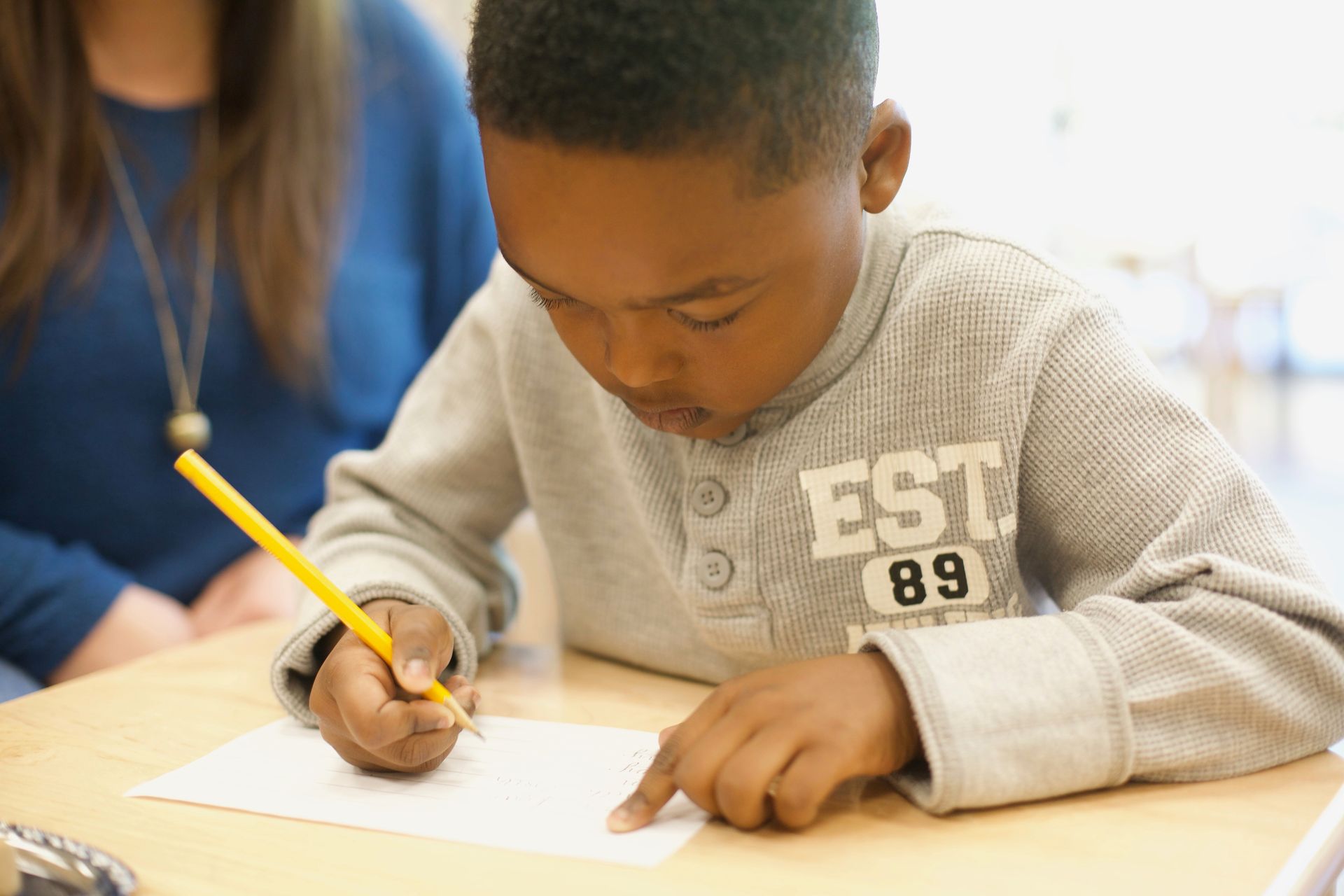
This developmental superpower belongs to children from birth to around age six, encompassing the children in our Toddler and Primary environments at Waypoint Montessori.
The Power of Imitation: Children Are Always Watching
Because children under six absorb everything in their environment indiscriminately, our actions as adults must mirror exactly what we expect from them. They are learning how to be human by watching us.
- If we want children to sit gracefully at the table to eat, we must sit at the table to eat.
- If we want children to speak with quiet, calm voices, we must consistently speak to them and others with quiet, calm voices.
- If we want children to carry items carefully with two hands, we must model that exact care ourselves.
We often share a classic example of this from the Montessori community: A guide in a toddler environment used to squat down intentionally in front of the low shelves every time she selected a material to show a child. Although the toddlers were already at the perfect height to reach the shelves without bending, the guide noticed that the children began walking to the shelf, dropping into a deep squat, and only then picking up the material. Even though this extra movement was physically demanding for them, their absorbent minds had unconsciously integrated the guide's exact sequence of movements as the "correct" way to take an item from the shelf.
Intentional Environments on Our Nine-Acre Campus
On our beautiful, wooded campus in Colleyville, our AMI-trained guides take immense care with how they move, speak, and interact. In our Waypoint environments, the adults follow the exact same grace-and-courtesy procedures expected of the children.
When a guide prepares a snack, they wash their hands, use a real plate, and sit mindfully at the table. Living out these daily processes alongside the children also allows our staff to audit the environment from the child's perspective:
- Are the dustpans easily accessible and placed where a child would logically look for them?
- Do the small spray bottles function smoothly for little hands wiping a table?
- What parts of the daily routine flow naturally, and what parts feel cumbersome?
Looking at the World from Their Vantage Point
We can easily bring this same intentionality into our home environments. It is a wonderful exercise to occasionally kneel or sit directly on the floor to view your home from your child's eye level.
- What do they see from that height?
- What stands out or creates visual clutter from their vantage point?
- Is the space welcoming, orderly, and beautiful?
- What naturally attracts their attention?
The minds of young children are hardwired to effortlessly absorb whatever surrounds them. Because our children are full of immense potential, we want to provide them with an environment that brings out their very best. By offering them clear, beautiful, and consistent images to absorb, we support them as they construct the adults they will one day become.
If you would like to see our intentional Toddler and Primary environments in action, we invite you to visit our campus. Please schedule a tour to discover how we support our students as they uncover what is possible.
You might also like