Supporting the Journey: Movement, Language, and Social-Emotional Milestones in the Toddler and Primary Years
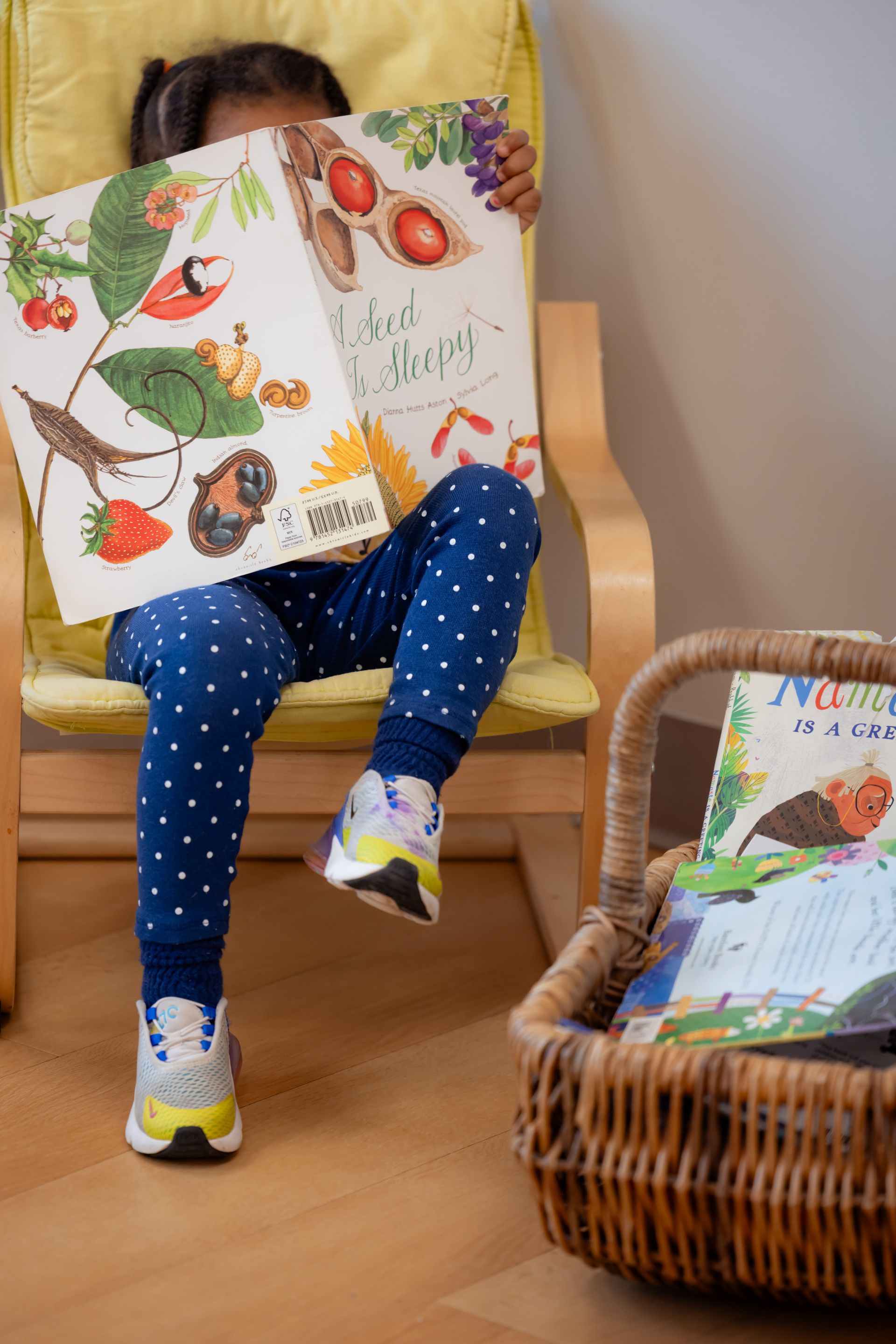
In Montessori education, we view the major milestones of early childhood through three key lenses: movement, language, and social/emotional development. Every child progresses at their own beautiful, individualized pace. While the sequence of these milestones is predictable, the exact timing varies.
At Waypoint Montessori, our Toddler (14–36 months) and Primary (3–6 years) environments are specifically designed to respect and cultivate these unique developmental timelines. Here is a look at how these milestones unfold and how we can support your child’s journey together.
Movement Milestones
Physically, infants and toddlers experience rapid, intense changes as they interact with the world through movement and their senses. In Montessori, we refer to this period as the time of the "unconscious absorbent mind." Children absorb everything in their environment completely without filter. Through movement, they begin to make sense of their surroundings, their families, and their culture. When supporting physical growth, we focus on three primary areas:
- Myelination: Early movements are initially reflexive (like sucking and grasping) but become more controlled as myelination takes place, allowing electrical signals to pass more quickly from the brain to the muscles. To support this at home, prioritize freedom of movement. Give your young child ample time outside of restrictive devices like car seats or structured carriers, letting them reach, grasp, and even struggle a bit on their own to build strong neural connections.
- Equilibrium: Gross motor skills help children develop balance. By 12 to 18 months, most children begin walking and love carrying heavy objects—a concept we embrace whole-heartedly in our Toddler community. Over the next couple of years, they refine their balance, running, climbing, and jumping with growing confidence.
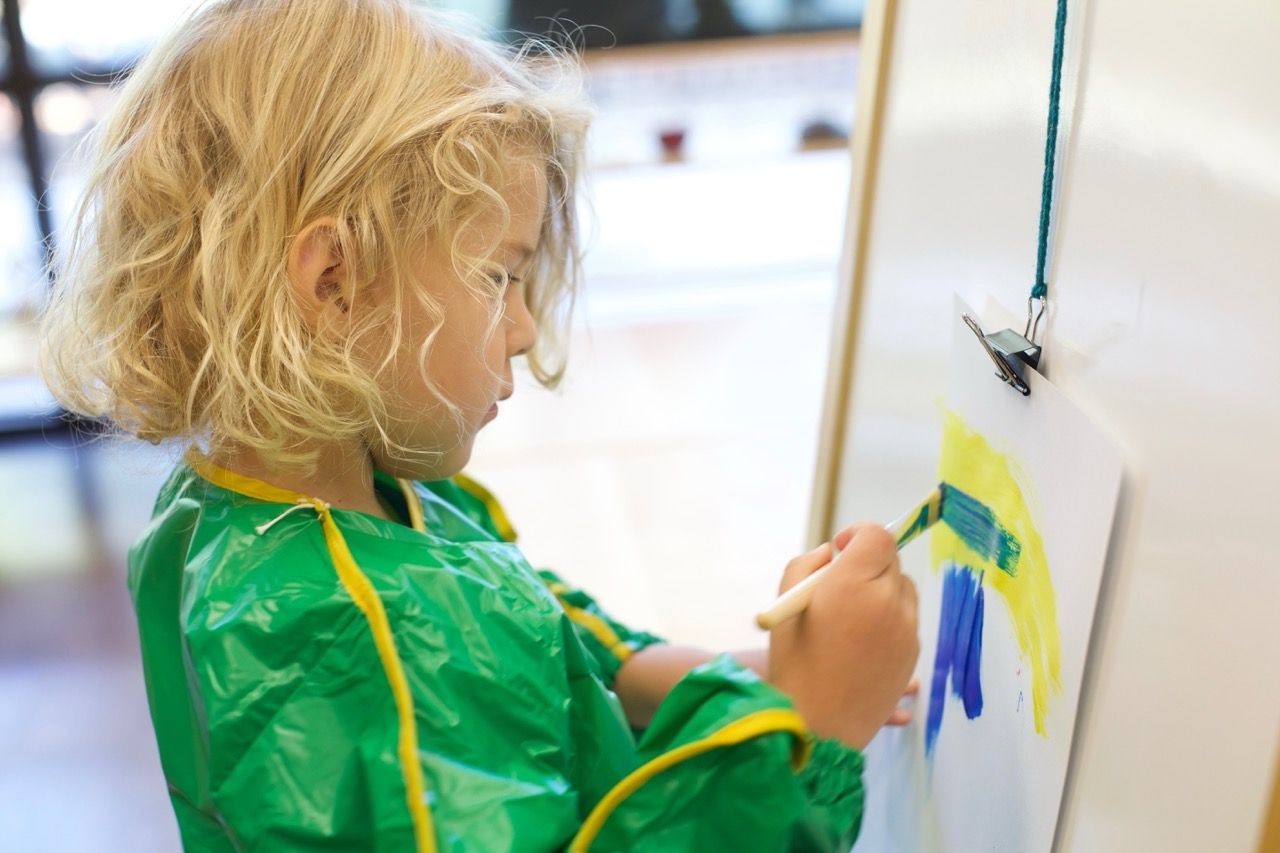
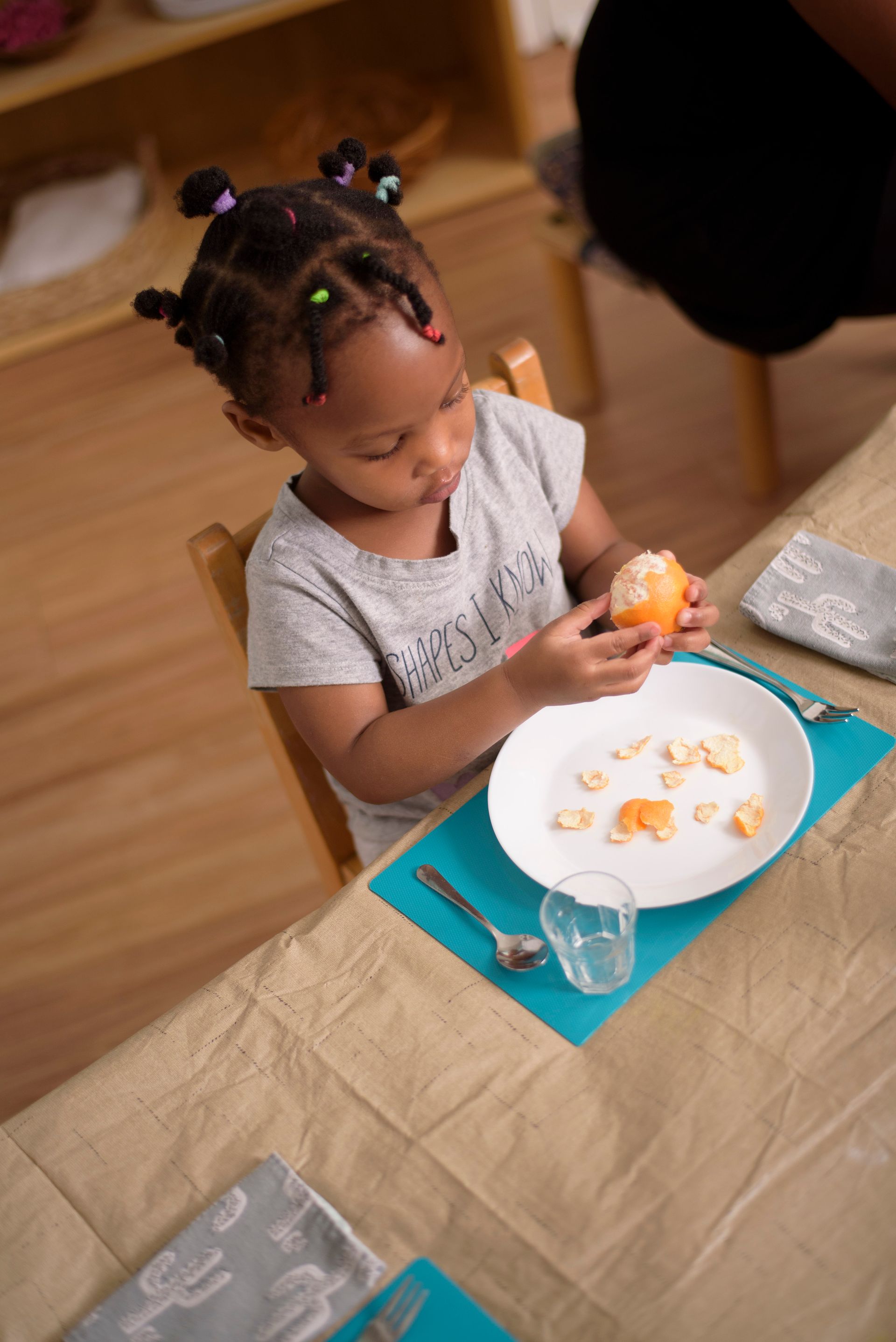
- Hand Development: Fine motor skills emerge rapidly during the toddler years. What starts as a reflexive grasp evolves into a precise pincer grasp, pointing, stacking, and scribbling. By age three, as children transition into our Primary environments, they are refining their hand-eye coordination to use utensils independently and pick up small objects with incredible precision. Offering opportunities to practice these fine motor skills—whether through slicing banana slices at the kitchen table or drawing—boosts this essential area of development.
Language Milestones
Just as physical movement progresses from crawling to walking, language skills progress in a beautifully structured sequence from babbling to fluent conversation. Language development follows two parallel threads: receptive language (understanding) and expressive language (communicating).
Receptive Language
- The First Year: Babies absorb the voices of caregivers and deeply study faces, beginning to understand specific words and the emotional meaning behind different tones of voice.
- Toddlerhood (12–36 months): Children begin to understand instructions, point to familiar objects when named, and follow simple commands. By the end of their time in the Toddler program, they can typically follow two- to three-step instructions and understand spatial concepts like "in," "on," and "under".
Expressive Language
- 8 to 12 Months: Babbling incorporates consonant-vowel combinations ("ba, da, ma") and real words begin to emerge, alongside gestures like waving, reaching, and pointing to share interests or express a need.
- 12 to 24 Months: We see an incredible explosion of expressive language. Toddlers acquire new words at an impressive rate, starting with single nouns and moving quickly into two-word phrases combining nouns and verbs.
- Age 3 and Beyond: As children enter the Primary community, they begin to use pronouns, ask complex questions, and string together full sentences to vividly communicate their daily experiences, feelings, and stories.
Social & Emotional Milestones
Emotional and social development—the ability to understand, express, and manage feelings while building relationships—is heavily shaped by a child's environment and daily social interactions.
- Emotional Growth: Between the ages of one and three, children learn to regulate their emotions better and express a much broader range of feelings. To support this growth at home, focus on maintaining a calm, consistent environment. Show warmth and affection, validate their big feelings, and gently model strategies for managing frustration or sadness.
- Social Connections: In the Toddler community, children frequently engage in parallel play—playing alongside peers but not necessarily with them. By age two or three, and deeply embedded within our mixed-age Primary classrooms, this naturally evolves into cooperative play. Children learn the community arts of sharing, graceful boundary-setting, turn-taking, and communicating effectively with their peers.
Cultivating Healthy Development Together
Our youngest children are navigating dramatic changes in their sense of self, independence, and attachments. We look at developmental milestones not as a rigid checklist, but as a roadmap to help us remove obstacles from a child’s path, allowing them to follow their own unique timeline.
If you would like to see these developmental principles in action, we invite you to connect with us. You are always welcome to
schedule a tour of our beautiful campus to see firsthand how our prepared environments and dedicated guides support our Toddler and Primary students as they develop into independent, confident individuals.
You might also like