Rooted in Freedom: Creating a Montessori Toddler Space at Home
As parents, we naturally want to nurture our young children's growth, curiosity, and burgeoning independence. Because Montessori philosophy centers on supporting a child’s natural development through a carefully prepared environment, we can look directly to these time-tested principles to help us create ideal spaces for our toddlers at home.
Understanding the Montessori Philosophy
At the heart of the Montessori approach is the understanding that children are active, self-directed learners. Dr. Maria Montessori observed how children thrive intellectually, emotionally, and socially when provided with a nurturing, orderly environment and the freedom to explore within safe boundaries.
In our Toddler Environments at Waypoint Montessori, our classroom spaces are meticulously arranged to serve the child's developmental needs. A Montessori room at home embodies these same principles, offering a calm sanctuary where your toddler can engage in purposeful activities, make independent choices, and master essential life skills.
Supporting Their Developing Personality
The relationship between a child and their environment is profound; early experiences actively shape your child’s forming personality. During the first few years of life, a toddler's brain is making an incredible number of neural connections. There is a continual feedback loop between their genetic code and the world around them.
As children interact with their physical surroundings, mental pathways form and strengthen. Patterns in the brain are established, and repeated positive experiences leave a lasting imprint. At Waypoint, we strive to make sure those pathways are rooted in a healthy sense of security, order, and joyful engagement. By mirroring these concepts at home, you give your child a consistent, predictable foundation that builds deep internal confidence.
Practical Tips for Preparing Your Home Environment
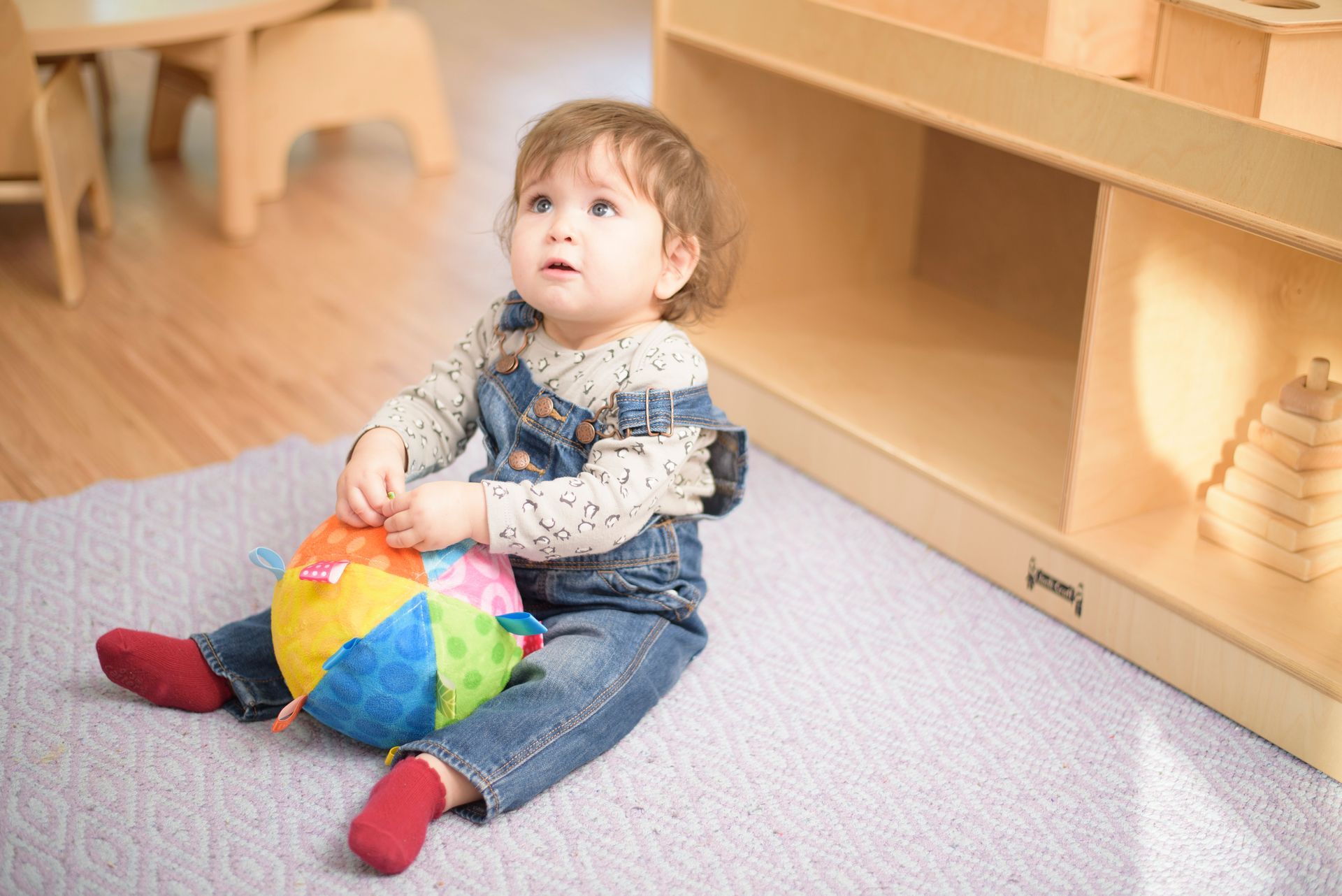
- Choose the Right Furniture: Begin by selecting furniture that aligns with your toddler's physical capabilities. Opt for low, open wooden shelves where materials are visible, a small child-sized table and chair for projects or snacks, and a low floor bed. These elements empower children to navigate their room entirely on their own, removing the frustration of needing an adult to lift them or reach their things.
- Create Inviting, Purposeful Spaces: Designate distinct areas within the room to cater to different needs. A cozy reading nook outfitted with a few books displayed face-out at eye level encourages early literacy and quiet reflection. An open shelf with a small selection of manipulative toys invites deep concentration. Be sure to leave ample open floor space for movement. Tip: Try getting down on your hands and knees to see how the room looks and feels from your child’s eye level!
- Simplify and Declutter: Embrace minimalism. In a Montessori room, less is always more. Ensure that every single item has a designated, predictable place. Cultivating your child’s natural sense of order is much easier when they know exactly where an item belongs and can participate in the routine of returning it to its home. To keep things fresh, display only a few items at a time and gradually rotate toys based on their current interests.
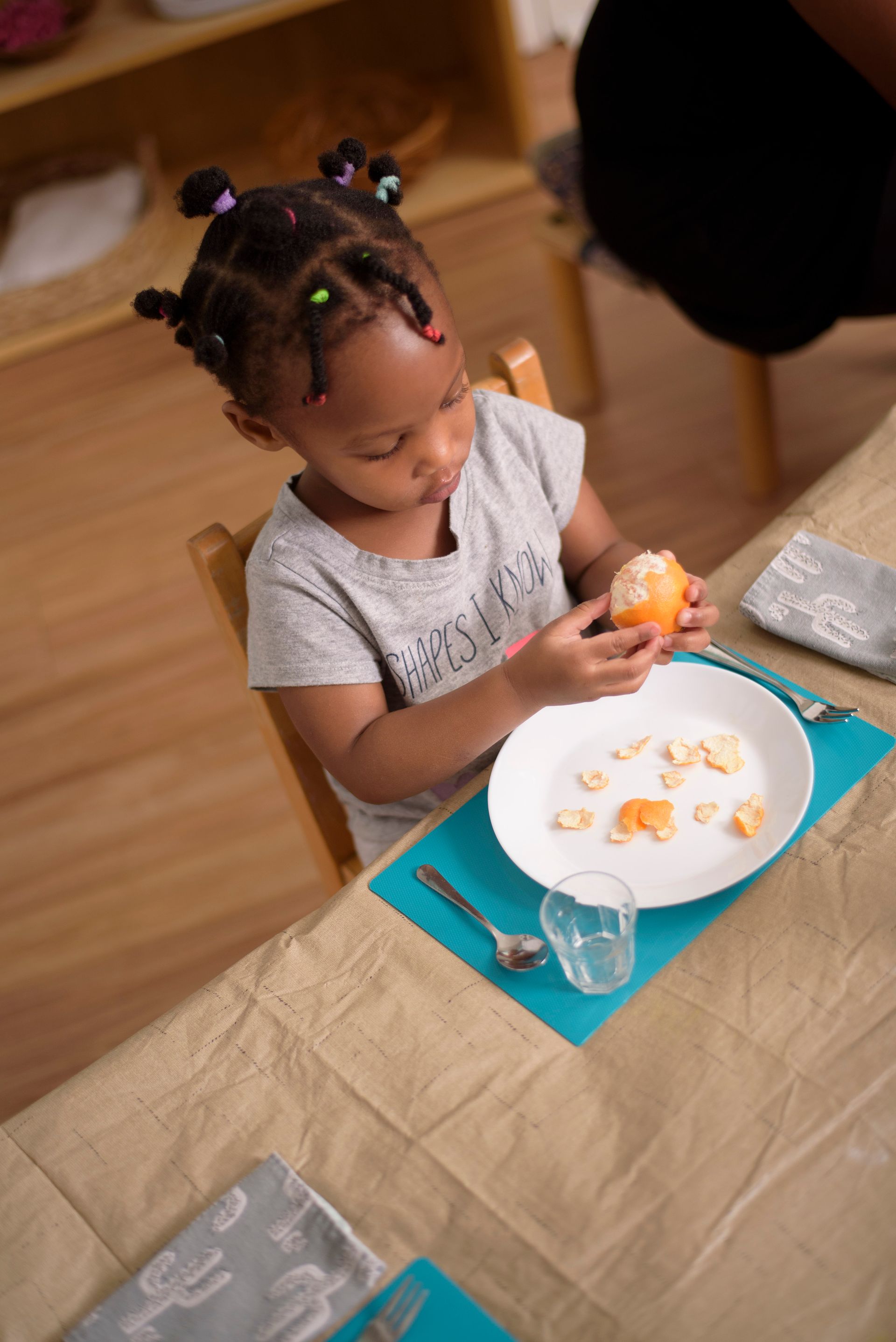
- Promote Practical Life and Self-Care: Foster your toddler's desire for autonomy by setting up independent self-care stations. Hang a low mirror at their height next to a basket with a hairbrush or handkerchief. Provide accessible, low hooks or drawers for a limited selection of clothing so they can practice dressing themselves. In the bathroom or kitchen, safe step stools and accessible soap allow them to master handwashing and toothbrushing independently.
- Bring Nature Indoors: At Waypoint, our nine-acre campus is deeply rooted in the natural world, from our classroom gardens to our wooded outdoor spaces. You can echo this at home by infusing your child's room with natural materials. Limit plastic and battery-operated toys that "do the work" for the child. Instead, opt for beautiful wooden, metal, cotton, or ceramic items that stimulate the senses and encourage active exploration.
- Prioritize Meticulous Safety: In order for your toddler to truly have the freedom to explore, you must feel entirely confident that the space is safe. Anchor heavy furniture to the wall to prevent tipping, secure all electrical cords firmly out of reach, use outlet covers, and routinely check the space for potential hazards. True freedom of movement requires an environment where you don't constantly have to say "no."
- Follow Your Child’s Lead: Above all, honor your toddler's unique interests, preferences, and developmental pace. Observe how they interact with their space. If you notice them trying to climb up a bookshelf, it’s a sign they need to challenge their gross motor skills—offer a safe, indoor climbing alternative or head outside to the playground. By tailoring the space to their evolving abilities, you support their natural curiosity and build a robust sense of personal agency.
A Foundation for Life
Creating a Montessori-inspired space at home doesn’t have to be complicated or expensive. By thoughtfully curating an environment that respects your toddler’s developmental needs, you are laying the groundwork for a lifetime of joyful learning, independence, and confidence.
Want to see these principles in action? The best way to understand the magic of a prepared environment is to observe it firsthand. We invite you to
visit our campus, tour our Toddler Communities, and speak with our AMI-trained Guides about how we cultivate curiosity and independence every single day.
You might also like