From Physician to Pioneer: The Scientific Legacy of Dr. Maria Montessori
As our campus transitions into the beautiful rhythm of summer—with children exploring our outdoor environments during Summer Session and Summer Almost Home—we naturally find our thoughts turning toward the upcoming school year. Summer is a time of preparation, reflection, and anticipation. It also brings us closer to a very special milestone in our global community: Dr. Maria Montessori’s birthday on August 31st.
In anticipation of her legacy, we want to look back at her remarkable life and her profound influence on how we, at Waypoint Montessori, view and honor your child’s boundless potential.
Many traditional educational systems begin from the top down, with adults deciding what is best for children and enforcing it through static desks and rigid lectures. The Montessori approach, however, began from the ground up—rooted entirely in intense scientific curiosity and the meticulous observation of how children actually grow, develop, and thrive.
A Scientist in the Marginalized Neighborhoods of Rome
It is worth remembering that Dr. Maria Montessori was, first and foremost, a scientist. In an era when women were strictly funneled away from the hard sciences, she persevered to become one of the first female physicians in Italy in the late 19th century.
Specializing in pediatrics and psychiatry, she came into regular contact with working-class and impoverished children through free clinics at the University of Rome’s medical school. Through these initial clinical experiences, Dr. Montessori theorized something revolutionary for her time: that children are born with an incredible, innate learning potential and an intrinsic desire to explore, discover, and absorb their world.
In 1900, she was appointed director of an institution for developmentally delayed children who society had sadly deemed "uneducable." After observing the drab, sensory-deprived conditions of their environment, she noticed the children desperately manipulating breadcrumbs on the floor—not to eat them, but simply to find anything of sensory interest to touch.
Dr. Montessori realized that cognitive development is deeply tied to sensory experiences. She spent two years designing tactile materials and directly training teachers at the institute. The result? Her students eventually passed the standard standardized academic exams of the Italian public schools.
Her response was characteristically bold. She stated that if children with severe developmental challenges could pass these tests, traditional schools should be achieving dramatically better results with typically developing children. She realized that standard education was actively stifling, rather than supporting, human development.
The Miracle of San Lorenzo
In 1907, Dr. Montessori finally received the opportunity to test her theories on a larger scale. She was invited to coordinate a medical daycare in the poverty-stricken San Lorenzo district of Rome for working-class children who were too young for public school. This first classroom was named the Casa dei Bambini—the Children’s House.
She began simply, by teaching the children how to help with everyday tasks. She introduced practical life skills, including sweeping, dusting, personal hygiene, and care of their environment. Gradually, she incorporated beautifully crafted, self-correcting manipulative materials designed to isolate specific concepts like size, shape, and color.
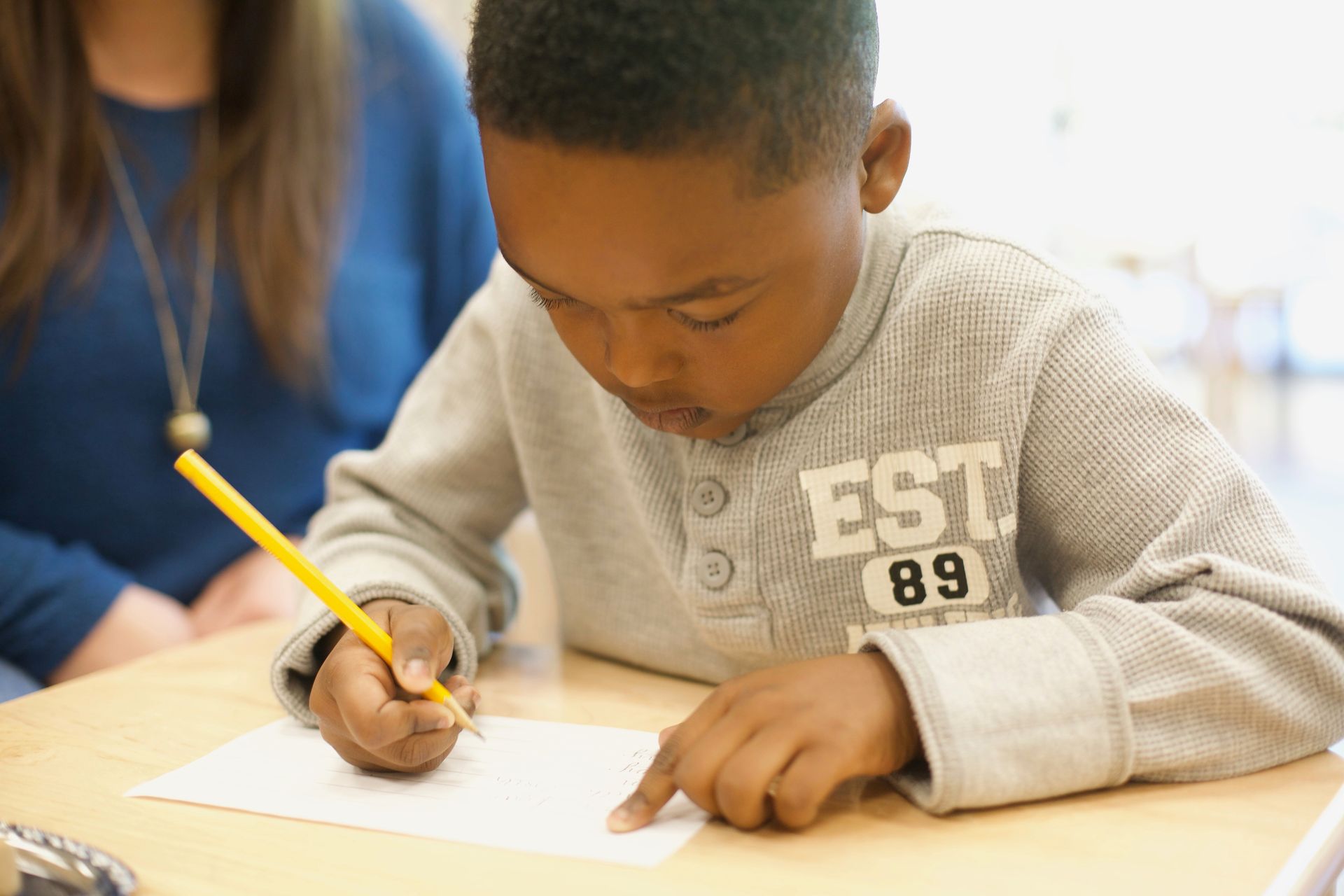
The transformation was stunning. Children who had previously been left unkempt and unsupervised became deeply calm, focused, and peaceful. They took meticulous care of their classroom, developed intense concentration, and displayed a joyous love for work. Eventually, they began begging her to show them how to read and write—skills they picked up with shocking ease.
News of the "Miracle of San Lorenzo" spread rapidly across Italy. Soon, international dignitaries, journalists, and educators were traveling from all over the world to witness this peaceful classroom phenomenon firsthand.
A Legacy That Endures Today
Around the age of 40, Dr. Montessori made the courageous choice to leave her medical career and her prestigious professorship at the University of Rome. She dedicated the remainder of her life to the children of the world—giving lectures, writing books, and training educators across multiple continents, all while fiercely insisting that the focus always remain on the child, rather than on her.
Through rigorous scientific investigation, trial and error, and endless observation, she proved that children across cultures, countries, and socioeconomic backgrounds flourish when they are provided with a specially prepared environment that offers just the right support at critical developmental windows.
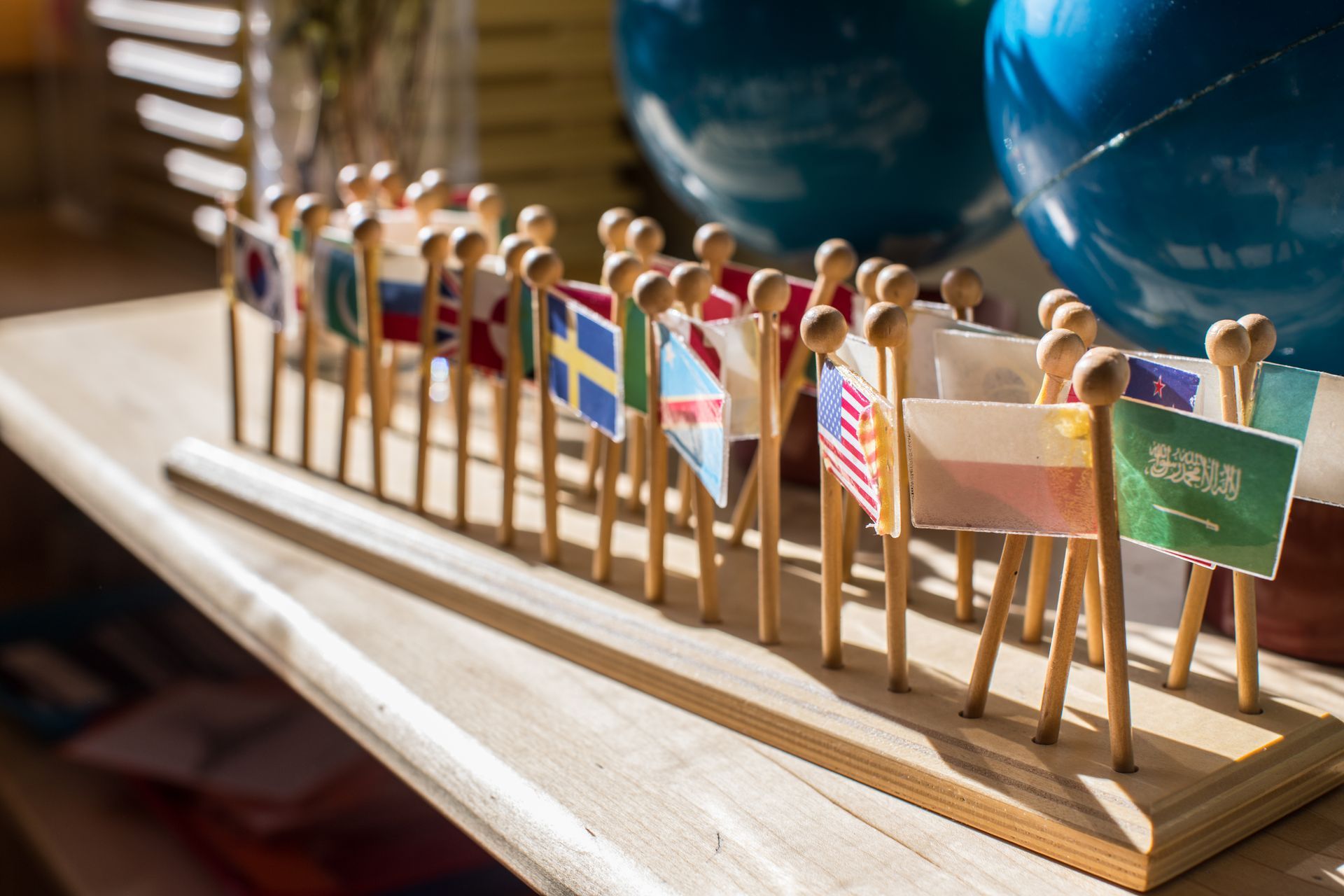
Because Montessori education is rooted in the timeless science of human development, it has effortlessly withstood the test of time and culture. Today, her approach is practiced in approximately 20,000 schools worldwide, with more than 3,000 in the United States alone.
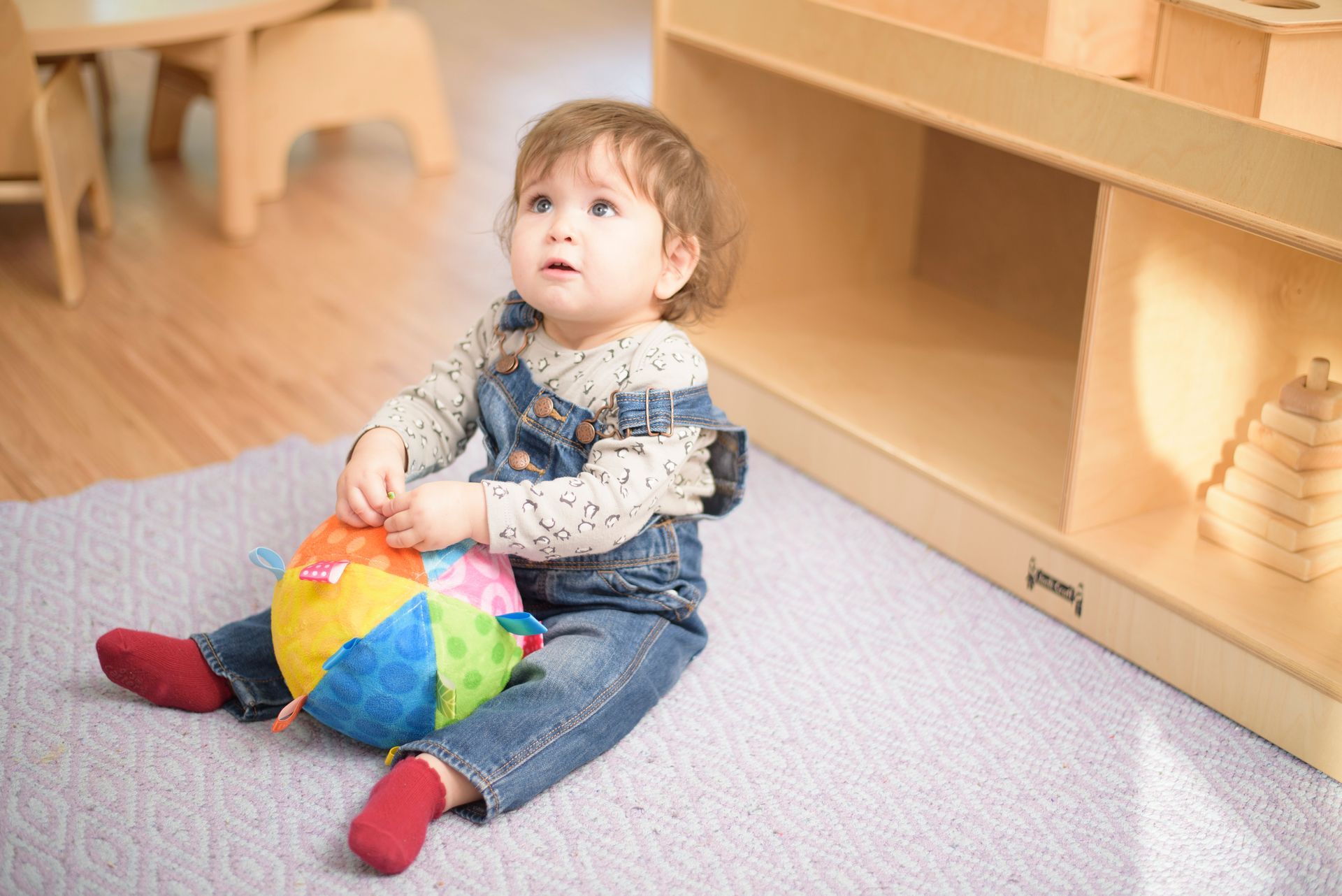
At Waypoint Montessori, we are proud to carry this historic torch. Our beautifully prepared Toddler, Primary, and Elementary environments are a direct reflection of the scientific principles Dr. Montessori established over a century ago.
Whether your child is joining us for our summer programs or preparing to walk through our classroom doors this coming fall, they are stepping into a legacy designed explicitly to help them achieve their fullest potential. We invite you to
come see this living legacy in action.
You might also like